TOP TIP: This hamster delight is yummy for humans too, and you may find yourself licking your fingers. But remember, before and after handling any food, wash your hands. You have most likely touched your hamster and/or his items and to avoid getting sick, good hygiene is a must to keep you and your hammie healthy and happy.

Sunday, April 14, 2013
CC Cooking Show: Hamster Peanut-Banana Crunch
A short video showing how to make this incredibly easy hamster treat that is a mini variation of the human version of bananas and peanut butter on toast!
TOP TIP: This hamster delight is yummy for humans too, and you may find yourself licking your fingers. But remember, before and after handling any food, wash your hands. You have most likely touched your hamster and/or his items and to avoid getting sick, good hygiene is a must to keep you and your hammie healthy and happy.
TOP TIP: This hamster delight is yummy for humans too, and you may find yourself licking your fingers. But remember, before and after handling any food, wash your hands. You have most likely touched your hamster and/or his items and to avoid getting sick, good hygiene is a must to keep you and your hammie healthy and happy.

Thursday, April 11, 2013
Bunny Posters
Daisy and her bunny buddies were the star of the show with these cute posters you can make with Picasa 3 "Poster Creator." Thought I might show them off!


Monday, April 8, 2013
A Critter You May Have Never Heard Of: The Degu!
Degus are much like a chubby gerbil. Pet degus are entertaining and cute pets that do involve a little work and experience. If you think the degu is right for you, keep reading!


 Great Pets
Degus are great because of these many reasons:
Degus are small.
Degus love to be petted.
Degus love their people.
Degus are easy to clean.
Degus don't stress easily.
Degus live 6-8 years.
Degus don't need special diets, just degu meal.
Degus are fascinating.
Degus are cute.
Degus are smart.
Degus don't smell.
Degus don't need a lot of space.
Degus are good around kids if they are treated kindly.
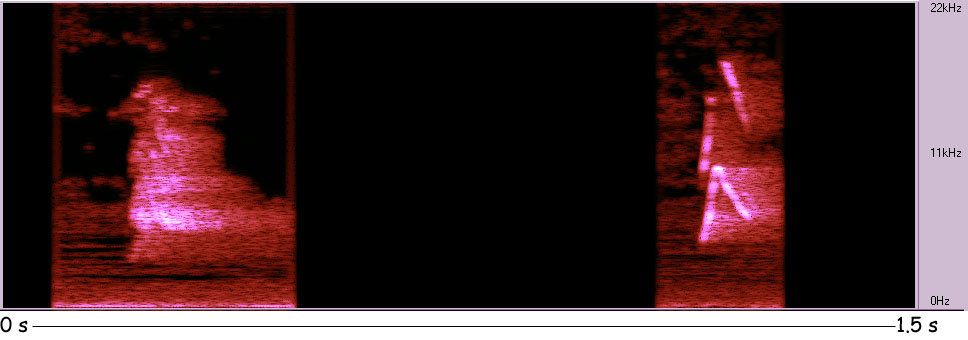
Degus may sound like GREAT pets, but there are a few requirements. They aren't fish or hamsters, after all. They are exotic pets that need special care. For example, you have to learn about the dugus' exquisite and diverse communication to humans and other degus. In order to be a good degu owner, you must learn what they are trying to say to you! Here is an audio guide to click on to learn more about degu language. Click on each audio to hear:


Agonizing

Bark

Chaff

Chirp

Chitter

Groan

Load whistle

Lowwww

Mothering

Pip

Squeal

Trill

Tweet

Warble

Wheep
To learn more about degus, go to Degutopia.com.

Degus are super cute!




To learn more about degus, go to Degutopia.com.
Degus are super cute!

Saturday, April 6, 2013
Caption Photo Contest 2
So the winner for the first caption contest is......
Anonymous with the comment: "Looks like Kitty's having her ballerina dream again," and, "Nyah nAh nah nah I got the carrot!" Good job!
Now someone else should try this out! The dog in a tree picture might come up with some crazy captions!

Anonymous with the comment: "Looks like Kitty's having her ballerina dream again," and, "Nyah nAh nah nah I got the carrot!" Good job!
Now someone else should try this out! The dog in a tree picture might come up with some crazy captions!
Wednesday, April 3, 2013
Best Dog Breed That Fits Your Personality
Have a dog? Always wanted a dog? Read this list to find out YOUR doggie personality.


Chihuahua: Chihuahua owners are the popular type, and love to hang out with friends. But surprisingly enough, chihuahua owners are very alert and can sense danger and trusting easier than others. Chihuahuas go back to the date of the Aztecs. Their owners most likely like to explore cultures and ancient mysteries.

Boxer: The boxer is a funny, "clowny" dog. They also have deep emotions and apart from having fun with you, they really like to lay their heads on your knee and whine when they see your sadness. Boxer owners are empathetic and express their feelings often.

Cocker Spaniel: Cocker Spaniels are friendly, social dogs(like the beagle). They are beautiful, cute, and graceful dogs, but they might feel out of place sometimes. Cocker Spaniels may look fashionable, but they are very curious and like running with the big dogs. They aren't afraid to try new things.

Dachshund: Dachshund owners are homebodies, and they like to cuddle. They can be very proud and intelligent. Another surprise: Dachshunds can be fast runners when they feel like it, but they wouldn't do it every day.
 Labrador Retriever: Labs are companions, and so are their owners. If you own a Lab, you probably are very loyal and like to have a friend following you. You are patient, tolerant, and outdoorsy. You probably count on one another and are "a hero", as your friends say. Labs are good at sharing, and they love anyone who gives them a pet on the head. Also, you like water and you most likely know how to swim, since you spend a lot of time with your water-loving dog anyway!
Scottish Terrier: "Scottie" owners are powerful and presidential, since many famous presidents had these dogs. They are bound to commit to things with ease, and keep promises. They also have a cheerful side.
 Poodle: Poodles and their owners are social and enjoy variety. They are curious and smart, and that doesn't just go for books! They enjoy new discoveries and adventures, but also like to relax with friends. Poodle owners don't like to sneeze and wheeze, since poodles are one of the best dogs for allergy sufferers!
 Yorkshire Terrier: Yorkies have kindred spirits as they are a toy dog, and bring fun into work! They are portable and, once again, love to travel with their owners. They like to be different and are youthful. These dogs and their owners never seem to grow old....at least on the inside! They always have a way to cheer up a person and although they are small, they have a loud bark!
 German Shepherd: German Shepherds are the "go, go, go!" dogs that are heroic, brave, and protective. They don't back down from a challenge, and travel in packs. They believe an old dog can learn new tricks, and believe in each other. They always want to get the job done and can't wait to get a jump start on a jam-packed day! 2 AM? No problem!
Tell us in the comments which dog your personality is like!
Tuesday, April 2, 2013
Diseases in Guinea Pigs
What are some diseases in guinea pigs I need to watch for? Get information for your piggie!(not a complete list)
Malocclusion
Malocclusion is a dental problem in guinea pigs. Without chew toys and blocks to wear down the teeth, guinea pigs quickly get heath problems like mouth ulcers, decaying teeth, and painful laceration of the roof or the mouth. If the vet trims the teeth in time, it will be all well. But if the teeth go too long without trimming, they get bent out of shape beyond repair, as seen here:
Diarrhea and Constipation
Guinea pigs have delicate stomachs, and when they eat large amounts of fruit and veggies, they can get "tummy troubles." This is no laughing matter, though. If your guinea pig has a bloated stomach or liquid-y feces is all over his bathroom corner and his hind end, take him to the vet ASAP. This means he has eaten something poison or just too much food. The vet will try to help him and usually supply a medication.
External Parasites
Piggies can be easily afflicted with parasites like fleas, ticks, mites, and flies. These pests do no more than make your pig itch and irritate them. To avoid this, don't house your piggie outside or don't even let them play outdoors in the fall: it's peak insect season. Get special cream for your guinea pig once the vet de-bugs her. It can get really raw for her to stand.
Major Diseases
Bumblefoot
This term is used for the extreme version of sore hocks. Since guinea pigs don't even have fur on their feet, they can get this painful disease as soon as you bring them home. Bumblefoot is caused by frequent walking on wire cage bottoms. The start of it appears to be nothing but a little sore feet, but the skin opens up and it usually cannot be fully healed. To avoid this, buy cages with flat bottoms and provide comfy CareFRESH brand bedding - it's super soft and cozy for piggies!
Snuffles
Same for bunnies and hamsters, snuffles is respiratory infection caused by temperature change and sawdust/dusty bedding. Pet store guinea pigs get this due to the poor bedding there. There isn't a cure since it goes away soon unless you don't change the problem. Adopt piggies instead of buying from pet stores.
Paralysis
Some guinea pigs develop paralysis from vitamin deficiency. A more common problem is when they fall and lose feeling to the back legs and pelvis. When this happens, guinea pigs have to be put down. To make sure this doesn't happen to piggies, keep the cage/playpen away from small children and in a place where you can make sure no piggies are being harmed. If a child wants to hold the guinea pig, let him sit cross-legged on the floor and carefully let the pig crawl across his legs. Watch the child at all times.
 |
| The guinea pig needs surgery because of his teeth. |
Minor Diseases
Malocclusion
Malocclusion is a dental problem in guinea pigs. Without chew toys and blocks to wear down the teeth, guinea pigs quickly get heath problems like mouth ulcers, decaying teeth, and painful laceration of the roof or the mouth. If the vet trims the teeth in time, it will be all well. But if the teeth go too long without trimming, they get bent out of shape beyond repair, as seen here:
Diarrhea and Constipation
Guinea pigs have delicate stomachs, and when they eat large amounts of fruit and veggies, they can get "tummy troubles." This is no laughing matter, though. If your guinea pig has a bloated stomach or liquid-y feces is all over his bathroom corner and his hind end, take him to the vet ASAP. This means he has eaten something poison or just too much food. The vet will try to help him and usually supply a medication.
External Parasites
Piggies can be easily afflicted with parasites like fleas, ticks, mites, and flies. These pests do no more than make your pig itch and irritate them. To avoid this, don't house your piggie outside or don't even let them play outdoors in the fall: it's peak insect season. Get special cream for your guinea pig once the vet de-bugs her. It can get really raw for her to stand.
Major Diseases
Bumblefoot
 |
| What bumblefoot looks like. |
Snuffles
Same for bunnies and hamsters, snuffles is respiratory infection caused by temperature change and sawdust/dusty bedding. Pet store guinea pigs get this due to the poor bedding there. There isn't a cure since it goes away soon unless you don't change the problem. Adopt piggies instead of buying from pet stores.
Paralysis
Some guinea pigs develop paralysis from vitamin deficiency. A more common problem is when they fall and lose feeling to the back legs and pelvis. When this happens, guinea pigs have to be put down. To make sure this doesn't happen to piggies, keep the cage/playpen away from small children and in a place where you can make sure no piggies are being harmed. If a child wants to hold the guinea pig, let him sit cross-legged on the floor and carefully let the pig crawl across his legs. Watch the child at all times.
Monday, April 1, 2013
Sore Hocks Is Permanent For My Bunnies?
"So I have two mini lop bunnies: ritz and Oreo. They both have sore hocks, crusty and purple and bald. They are house bunnies, and I only put them in the cage at night. I read cages with wire bottom hurt their feet so I put a towel down. They moved it, so I pulled the corners under the sides of the cage so they couldn't pull it. Anyway, my vet said to use Neosporin, but it seems oily and they just rub it off. My vet only does cats and dogs, but not bunnies. ): He didn't say anything else but I know bunnies can't have medications every day. Is there are way to grow back the fur and keep the feet back to normal?"
Rabbits like your mini lops have delicate feet. Neosporin works good by coating the wound, but it doesn't help heal it up. If there are open wounds, put a little more Neosporin on the wound and cover them with bandages. Cut a circle on the the ankle part of the bandage to avoid pinching. If there is pink of blank infection, go to a rabbit savvy vet. Researching rabbit vets beforehand is a great idea. Rabbits with sore hocks should be housed in a non-wire environment. Remember, once sore hocks is on your rabbit's feet, it stays on but isn't as bad. Sore hocks can be really painful to a rabbit since they put pressure(a lot of pressure) on their feet when they hop. The fur usually grows back. Every few days change the bandages and clean the feet since the rabbits can't lick that area. Keep your rabbit safe and happy and choose free-reign versus wire cages..... Your rabbit will live much longer!
Rabbits like your mini lops have delicate feet. Neosporin works good by coating the wound, but it doesn't help heal it up. If there are open wounds, put a little more Neosporin on the wound and cover them with bandages. Cut a circle on the the ankle part of the bandage to avoid pinching. If there is pink of blank infection, go to a rabbit savvy vet. Researching rabbit vets beforehand is a great idea. Rabbits with sore hocks should be housed in a non-wire environment. Remember, once sore hocks is on your rabbit's feet, it stays on but isn't as bad. Sore hocks can be really painful to a rabbit since they put pressure(a lot of pressure) on their feet when they hop. The fur usually grows back. Every few days change the bandages and clean the feet since the rabbits can't lick that area. Keep your rabbit safe and happy and choose free-reign versus wire cages..... Your rabbit will live much longer!
Subscribe to:
Posts (Atom)